Introduction: Why Yoga Matters Today
What is Yoga. Yoga is more than just stretching or twisting the body—it is a timeless practice that unites the mind, body, and spirit. In today’s fast-paced world, where stress and distractions dominate, yoga has become a global movement for health, wellness, and inner peace. But what is yoga, really? Where did it come from, and why does it hold such significance in modern life?
This comprehensive guide will help you understand yoga in depth—its origins, philosophy, types, benefits, and practical tips to start your own journey. Whether you are a beginner or someone curious about yoga’s spiritual side, this article covers everything you need to know.
What is Yoga?
The word “Yoga” comes from the Sanskrit root Yuj, which means to unite or to join. At its core, yoga is the union of the individual self with the universal consciousness. While many see yoga as just physical exercise, it is actually a holistic practice that combines postures (asanas), breathing techniques (pranayama), meditation, and ethical living.
In simple terms: Yoga is a lifestyle and philosophy that aims to create harmony between body, mind, and spirit.
The History of Yoga: Ancient Roots, Modern Practice
Origins in Ancient India
Yoga dates back over 5,000 years, with its roots in ancient India. The earliest mention of yoga is found in the Rig Veda, one of the oldest sacred texts. However, the structured system of yoga was later described in Patanjali’s Yoga Sutras around 200 BCE, where yoga was outlined as an eightfold path.
The Eight Limbs of Yoga (Ashtanga Yoga by Patanjali)
- Yama – ethical disciplines (non-violence, truth, non-stealing, etc.)
- Niyama – self-discipline and personal practices
- Asana – physical postures
- Pranayama – breath control
- Pratyahara – withdrawal of senses
- Dharana – concentration
- Dhyana – meditation
- Samadhi – ultimate state of bliss and union
These eight steps serve as a guide for living a purposeful and meaningful life.
Yoga in the Modern World
In the 20th century, yoga gained international popularity thanks to teachers like Swami Vivekananda, B.K.S. Iyengar, and T. Krishnamacharya. Today, yoga is practiced worldwide—whether in studios, gyms, or at home—focusing not only on physical health but also on emotional balance and spiritual growth.
Types of Yoga: Different Paths, One Goal
Yoga is not “one size fits all.” Over the centuries, different styles have developed to suit different needs:
1. Hatha Yoga
- Focuses on basic postures and breathing
- Great for beginners
- Builds strength and flexibility
2. Vinyasa Yoga
- Dynamic flow linking breath with movement
- Energetic and creative sequences
- Improves stamina and balance
3. Ashtanga Yoga
- Physically demanding, structured sequences
- Builds discipline and endurance
- Popular with athletes and advanced practitioners
4. Kundalini Yoga
- Focuses on awakening inner energy
- Uses mantras, chanting, and breathing
- Deeply spiritual and transformative
5. Iyengar Yoga
- Precision-based with props like blocks and straps
- Ideal for injury recovery and alignment
- Great for detail-oriented learners
6. Bikram / Hot Yoga
- Performed in a heated room (40°C)
- Involves 26 fixed poses
- Promotes detox and intense sweating
7. Yin Yoga
- Slow-paced, holding poses for longer
- Targets deep connective tissues
- Calms the nervous system
8. Restorative Yoga
- Gentle, relaxing, and supported with props
- Ideal for stress relief and healing
Benefits of Yoga: Why Should You Practice?
Physical Benefits
- Improves flexibility, balance, and posture
- Builds muscle strength
- Enhances lung capacity
- Supports heart health
- Boosts immunity
- Relieves chronic pain and back issues
Mental Benefits
- Reduces stress and anxiety
- Improves concentration and focus
- Enhances memory and creativity
- Promotes emotional stability
- Boosts mood and reduces depression symptoms
Spiritual Benefits
- Deepens self-awareness
- Promotes inner peace
- Connects you with your higher self
- Encourages mindfulness and gratitude
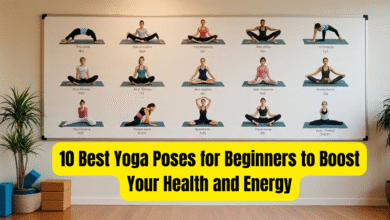
Read Also- 10 Best Yoga Poses for Beginners
Yoga vs. Exercise: What’s the Difference?
Many people confuse yoga with regular physical exercise, but yoga is much more holistic.
- Exercise focuses mainly on muscle building, stamina, and calorie burning.
- Yoga balances physical, mental, and spiritual health.
While exercise ends with tiredness, yoga often leaves practitioners refreshed, calm, and energized.
How to Start Practicing Yoga as a Beginner
- Set Clear Intentions – Know why you want to practice (fitness, stress relief, spiritual growth).
- Choose the Right Style – Start with Hatha or Vinyasa if you’re new.
- Find a Teacher or Online Class – Proper guidance ensures safe practice.
- Create a Calm Space – A quiet corner at home with a yoga mat works fine.
- Start Small – Even 10–15 minutes daily can make a difference.
- Be Consistent – Regular practice is more important than intensity.
- Combine with Meditation – For maximum benefits, add breathing and mindfulness practices.
Yoga Myths and Misconceptions
- Myth: Yoga is only for flexible people.
Truth: Yoga improves flexibility—you don’t need it to start. - Myth: Yoga is religious.
Truth: While rooted in Indian philosophy, yoga is a spiritual but not religious practice. - Myth: Yoga is only for women.
Truth: Historically, yoga was practiced by men first; today, it benefits everyone. - Myth: Yoga takes hours.
Truth: Even 15–20 minutes daily can bring results.
Yoga and Science: What Research Says
Modern science confirms yoga’s benefits. Studies show yoga can:
- Lower blood pressure and cholesterol
- Reduce cortisol (stress hormone)
- Improve sleep quality
- Aid in managing diabetes
- Enhance brain function and memory
The World Health Organization (WHO) and medical professionals recommend yoga as a complementary therapy for many lifestyle-related diseases.
Frequently Asked Questions (FAQs)
Q1: Is yoga safe for everyone?
Yes, yoga is generally safe for all ages. However, if you have medical conditions, consult a doctor before starting.
Q2: Can yoga help with weight loss?
Yes! Active forms like Vinyasa, Ashtanga, and Power Yoga burn calories and build muscle, supporting weight management.
Q3: How often should I practice yoga?
Even practicing 3–4 times a week brings results. Daily short sessions are ideal.
Q4: Do I need special equipment for yoga?
No. A simple yoga mat is enough to start. Props like straps and blocks are optional.
Q5: Can yoga replace meditation?
Yoga includes meditation, but practicing both together enhances benefits.
Conclusion: The Journey of Yoga
Yoga is not just about touching your toes—it’s about what you learn on the way down. From its ancient origins to its modern adaptations, yoga continues to transform lives by promoting health, peace, and balance. Whether you seek physical strength, mental clarity, or spiritual growth, yoga is a lifelong journey of self-discovery.
Start small, stay consistent, and remember: Yoga is not about being perfect—it’s about being present.